Woodland Animal Bunny Clipart: A Designer's Guide to This Charming Asset
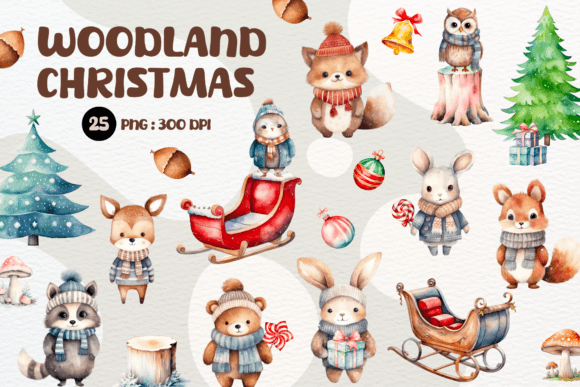
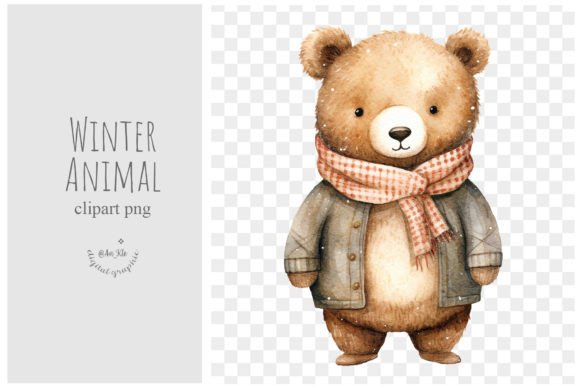
There's a specific warmth that comes with a well-crawn piece of Woodland Animal Bunny Clipart. It's more than just a cute rabbit illustration; it's a design asset that carries personality, nostalgia, and a touch of whimsy. This particular digital clipart—delivered as a high-resolution PNG with a transparent background—offers a versatile foundation for countless creative projects. Whether you're a designer building a brand identity, a small business owner crafting packaging, or a hobbyist making personalized gifts, understanding how to leverage this asset effectively can elevate your work from simple to memorable.
Visual Character and Style Nuances
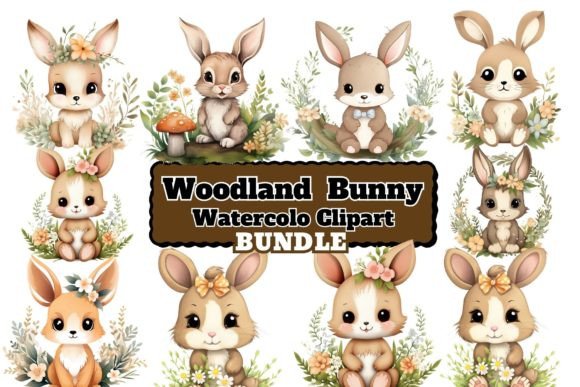
The appeal of this Woodland Animal Bunny Clipart lies in its balanced aesthetic. It strikes a chord between illustrative detail and graphic simplicity, making it adaptable across various contexts. The style often features soft textures, gentle lines, and a color palette that evokes natural, earthy tones—think muted greens, warm browns, and soft creams. This isn't a hyper-realistic rendering; it's a stylized interpretation that feels friendly and approachable. The personality conveyed is one of gentle curiosity and innocence, which can be a powerful emotional hook in design. It avoids being overly childish, allowing it to work in sophisticated applications when paired with the right typography and layout. The 300 DPI resolution and 1024x1024 pixel dimensions ensure it remains crisp and clear whether scaled down for a business card or used as a focal point on a poster.
Strategic Applications Across Creative Fields
Knowing where this asset shines is key to using it effectively. Its strength lies in its ability to add a human, organic touch to digital and physical products.
Branding and Marketing Collateral
For entrepreneurs and small business owners, this clipart can become a cornerstone of a brand identity, especially for brands in the children's products, artisanal goods, eco-friendly, or pet care spaces. Imagine it as a mascot on a logo, a recurring motif in packaging design, or a charming element on a thank-you card inserted with orders. In social media graphics, it can break the monotony of text-heavy posts, creating thumb-stopping visual interest. It works beautifully in email headers, newsletter graphics, and promotional banners, adding warmth that stock photos often lack.
Publishing and Editorial Design
In editorial design, such as magazines, blogs, or children's books, the bunny clipart can serve as a spot illustration, a chapter opener, or a decorative border element. It helps to establish a visual rhythm and makes dense pages of text more inviting. For bloggers and content creators, it can personalize a website, making it feel more curated and less templated. Used in digital downloads or printable art, it adds tangible value for your audience.
Product and Web Design
The applications extend directly into product design. Think beyond paper: this asset is perfect for decals on cups and mugs, patterns for fabric, or designs for stickers and planner accessories. In web design, it can be used sparingly as an icon, a loading animation element, or part of an illustrated background to guide the user's eye and create a cohesive site experience. Its transparent PNG format makes it exceptionally easy to layer into any digital canvas without cumbersome background removal.
Influence on Perception and Engagement
The choice of a design asset like this is never just decorative; it's communicative. Using the Woodland Animal Bunny Clipart influences how your audience perceives your message. It softens a corporate feel, injects playfulness into a serious topic, and builds an immediate, subconscious connection with viewers who respond to nature-inspired or nostalgic imagery. This can directly impact audience engagement. A social media post featuring this friendly bunny is more likely to receive comments and shares than a generic graphic. In a crowded marketplace, such distinctive, character-driven assets contribute to brand recognition. When your audience consistently sees this charming bunny across your touchpoints—from your website to your packaging—it becomes a recognizable symbol of your brand's personality.
Practical Guidance for Integration
Integrating any new asset into your workflow requires thoughtful consideration. Here’s how to approach this specific clipart.
Evaluating Fit and Pairing
First, assess if its style aligns with your project's tone. While versatile, its whimsical nature may clash with a project demanding stark, minimalist severity. The best font pairing decisions will complement, not compete. Consider a clean, modern sans serif font for body text to let the illustration stand out, or a simple serif font for a more classic, storybook feel. Avoid overly ornate script fonts or complex display fonts nearby, as they can create visual clutter. The goal is visual hierarchy: the bunny should enhance the layout, not fight with the typography for attention.
Technical and Licensing Considerations
Always review the licensing terms. Even as a digital clipart, its use in commercial products (like items for sale on Etsy or in your shop) typically requires a commercial license. Confirm the file format (PNG with transparent background is ideal) and resolution meet your needs. The 300 DPI is print-ready, a crucial detail for physical products. Test it in your design software at various sizes to ensure readability of surrounding text isn't compromised. Sometimes, placing a semi-transparent shape behind the clipart can help it integrate better into a complex background.
Ultimately, the Woodland Animal Bunny Clipart is a premium example of how a single, well-chosen asset can inject life and character into a multitude of projects. It’s a tool for storytelling. By understanding its visual personality, strategic applications, and the subtle influence it has on viewer perception, you can move beyond simply using a cute picture and start crafting experiences that resonate, engage, and build lasting recognition for your brand or creative endeavor.