Watercolor Rabbit Little Animal: A Whimsical Asset for Creative Projects
Understanding the Visual Character and Appeal
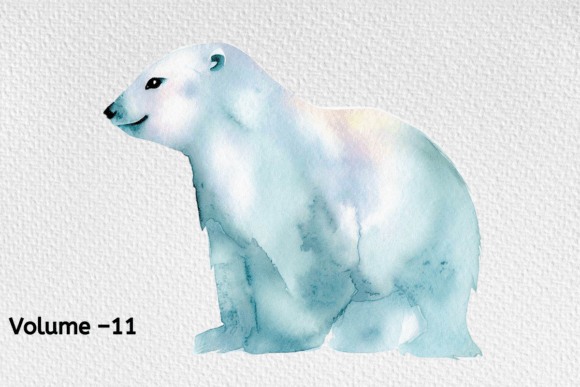
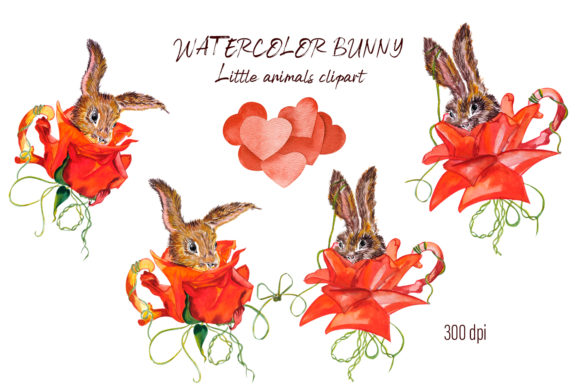
The Watercolor Rabbit Little Animal is more than just a simple illustration; it is a curated set of hand-painted digital assets designed to bring warmth and texture to various projects. At its core, this collection features a charming, handmade rabbit rendered in a classic watercolor style. The visual characteristics are defined by soft washes of color, organic brush strokes, and the natural imperfections that come with hand-painted art. Unlike vector graphics that can sometimes feel sterile or overly mechanical, this design retains a tactile quality. The edges are slightly feathered, and the colors blend in a way that mimics traditional paper and pigment.
The personality of this asset leans heavily into innocence, nostalgia, and gentleness. It avoids the sharp lines of modern graphic design in favor of a softer, more approachable aesthetic. This makes the Watercolor Rabbit Little Animal particularly effective for projects that need to evoke an emotional response. The "little animal" motif is timeless, appealing to both children and adults who appreciate whimsy and nature-inspired art. The overall appeal lies in its versatility; it feels personal and crafted, suggesting that a human touch was involved in the creation process. For content creators and marketers, this specific style helps bridge the gap between professional polish and authentic, relatable storytelling.
Practical Applications Across Industries
One of the primary strengths of the Watercolor Rabbit Little Animal set is its adaptability across different mediums. Because the files are provided in high-resolution formats (300 dpi) and multiple sizes (A5, A4, and A3), they are suitable for both digital and physical production.
Digital and Web Usage:
For web design and social media graphics, these images work exceptionally well as hero images for blog headers, particularly for lifestyle, parenting, or wellness niches. The high resolution ensures that the image remains crisp even when cropped or displayed on high-definition screens. Entrepreneurs and small business owners can use the rabbit illustration to create a distinct brand identity for pet shops, children’s boutiques, or organic product lines. In the realm of digital marketing, the image can serve as a focal point in email newsletters, helping to increase click-through rates by adding visual interest that breaks up text-heavy content.
Print and Physical Products:
The inclusion of JPEG and PNG formats makes this asset ideal for print-on-demand services. The PNG files, with their transparent backgrounds, allow for easy layering in design software. This is particularly useful for packaging design, where the rabbit can be placed on top of different colored backgrounds or patterns without a white box surrounding it. Crafters and hobbyists will find the A3 size perfect for wall art or nursery decor. Furthermore, the design is optimized for heat transfer printing, making it a viable option for custom T-shirts, baby clothes, and tote bags. The watercolor texture translates well onto fabric, provided the garment color complements the illustration's palette.
Strategic Integration and Design Considerations
When incorporating the Watercolor Rabbit Little Animal into a project, it is important to consider how it interacts with typography and layout. Because this is an organic, illustrative asset, pairing it with the right typeface is crucial for maintaining visual hierarchy and readability.
Typography Pairing:
A common mistake is pairing a detailed watercolor image with an overly ornate script font or handwritten font. This can result in a cluttered composition where the text and image compete for attention. Instead, consider pairing the rabbit illustration with a clean sans serif font or a modern serif font. The geometric structure of a sans serif typeface provides a pleasing contrast to the fluid, organic lines of the watercolor. For example, using a bold, capitalized sans serif for the header and a lighter weight for the body text can ground the whimsical nature of the illustration, lending the overall design a sense of professionalism and stability.
Color Theory and Harmony:
While the Watercolor Rabbit Little Animal comes with its own color palette, successful editorial design and branding require that the surrounding elements harmonize with the image. If the rabbit features cool tones (blues, grays, soft greens), the background and text colors should complement these without clashing. Using a monochromatic scheme—varying shades of the dominant color found in the rabbit—can create a sophisticated, cohesive look. Alternatively, using a neutral background (cream, white, or light beige) allows the watercolor textures to stand out, ensuring the illustration remains the hero of the layout.
Commercial Viability and Licensing:
For marketers and business owners, understanding the commercial application is vital. This asset is designed for commercial use, allowing for its application on products intended for sale, such as greeting cards, posters, and merchandise. However, it is always best practice to review the specific licensing terms regarding mass production or digital resale. The instant download nature of the asset makes it a practical design asset for fast-paced environments where time-to-market is critical. It eliminates the need to commission custom artwork for every small project, offering a cost-effective solution without sacrificing quality.
Ultimately, the Watercolor Rabbit Little Animal is a versatile tool in the creative arsenal. Whether used as a standalone piece for scrapbooking or integrated into a complex logo design for a baby clothing brand, its success depends on thoughtful implementation. By respecting the artistic style of the illustration and pairing it with appropriate typography and color schemes, designers