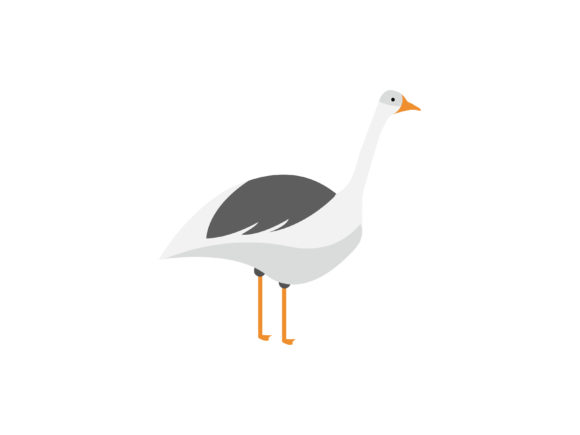
312-Animal Goose Vector Illustration: A Versatile Design Asset
When you're building a brand, crafting a campaign, or designing a product, the right visual element can make all the difference. The 312-animal Goose Vector Illustration isn't just another clipart file; it's a surprisingly versatile character ready to add personality and charm to a wide array of projects. This isn't a stiff, corporate icon. The goose in this illustration has a certain friendly, approachable energy—perhaps a bit whimsical, a bit curious, and perfectly suited for projects that want to connect with an audience on a more personal, less formal level. Its clean lines and scalable vector format mean it looks just as sharp on a tiny social media avatar as it does on a large-format print.
Exploring the Character and Style of the Goose
The visual appeal of the 312-animal Goose Vector Illustration lies in its balance of simplicity and expression. The design typically avoids unnecessary detail, focusing on the essential, recognizable form of the goose. This makes it incredibly effective at various sizes and ensures it doesn't clutter a design. The personality is key—it's not a photorealistic rendering but a stylized character that feels friendly and engaging. This style of animal vector illustration works exceptionally well in contexts where you want to evoke warmth, nature, simplicity, or a touch of playful nostalgia. Think of brands or publications that want to feel accessible and grounded rather than ultra-modern and sleek.
Understanding its style helps you evaluate its fit. Is your project aiming for a rustic, artisanal feel? This goose could be a perfect mascot. Are you designing educational materials for children? The friendly demeanor is ideal. Is your blog about homesteading or local produce? The connection to farm life and nature is immediate and authentic. The strength of this particular vector file is its ability to feel both specific and adaptable. It doesn't scream "generic stock image," which is a common pitfall with lesser design assets.
Practical Applications Across Creative Projects
The true value of a design asset like the 312-animal Goose Vector Illustration is measured by where and how you can use it. Because it's available in six key formats—AI, EPS, SVG, DXF, JPG, and PNG—it's built for real-world workflow integration. The PNG with a transparent background is a lifesaver for quick social media graphics or PowerPoint presentations. The SVG and DXF files are essential for crafters using cutting machines like Cricut or Silhouette, opening up possibilities for custom decals, t-shirts, and home décor. The AI and EPS files give professional designers full control to edit colors, shapes, and details within Adobe Illustrator, making it a true premium font for the visual world—here, a premium illustration asset.
Consider its use in logo design for a small business, like a local farm, a nature-focused daycare, or a quirky café. The goose becomes a memorable brand mark. In editorial design, it can break up text in a magazine or book, adding visual interest without distracting from the content. For packaging design, it could adorn labels for honey, eggs, or artisanal goods, telling a story of quality and care. On the digital side, it's perfect for web design elements, social media graphics, or even as part of a larger illustration for a blog post about travel, wildlife, or sustainable living. Its utility extends to personal projects too—think custom stationery, holiday cards, or a fun element in a family scrapbook.
Making It Work: Integration and Best Practices
Simply having the file isn't enough; integrating it effectively is what separates good design from great. First, think about visual hierarchy. Where does the goose illustration sit in your layout? It should complement your main message, not compete with it. If you're using it with text, consider its scale and placement to guide the viewer's eye naturally. The 3200px by 2400px canvas size provides ample resolution for most applications, but always ensure your final output dimensions are appropriate to maintain crispness.
Color is another powerful lever. One of the biggest advantages of a vector file is the ease of editing. Don't feel locked into the default colors. If your brand identity uses a specific palette, recolor the goose to match. This simple step transforms it from a generic asset into a bespoke component of your brand identity, ensuring consistency across all your materials. This is where working with the AI or EPS file in a vector program pays off, allowing for seamless color changes that are impossible with a flat JPG.
Finally, consider the context and audience. While the goose is friendly, ensure its personality aligns with the overall tone of your project. It's a creative font in illustration form—best used where its character adds value. Pair it with clean, simple typography to avoid visual noise. A strong sans serif font for body text and a complementary serif or script font for headlines can create a beautiful, balanced composition where the illustration enhances rather than overwhelms. By treating the 312-animal Goose Vector Illustration as a thoughtful component within your broader design system, you unlock its potential to create engaging, professional, and cohesive work that resonates with your intended audience.